
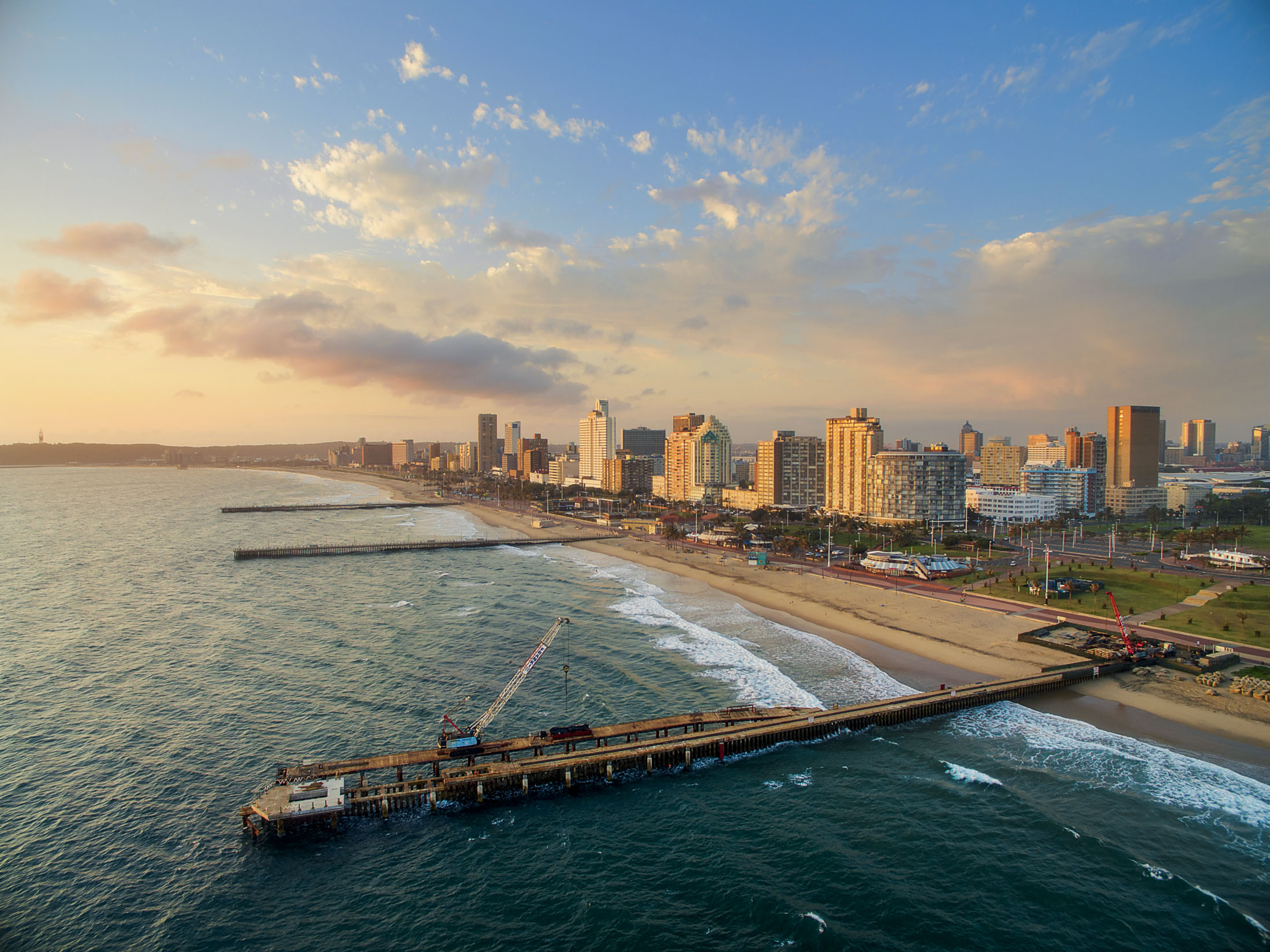
Conservation action in our vast seascapes and long coastal lines is foundational to our secure future
One of the most rewarding aspects of my environmental and sustainability work at WWF was visiting the seascapes and landscapes where the organisation operates and engaging with its partners, collaborators, and communities.
Field trips I undertook deepened my appreciation for the critical work we did with our partners to secure sustainable livelihoods and blue economy opportunities, particularly by ensuring the ongoing viability of the fisheries industry.
Fisheries are a significant employer, providing nutritious food across income groups and serving as a foundation for the livelihoods of poor and low-income communities. However, I learnt that they are under pressure, with scientific evidence and reports from fishermen indicating a decline in several species: West coast rock lobster biomass has plummeted to 1.4% of pristine levels, significant snoek runs have not occurred in Kogelberg for over a decade, and abalone resources have been severely impacted by poaching and localised west coast rock lobster invasion. Additionally, several line fish species, such as red stumpnose, geelbek, and red Roman, have decreased substantially.
This decline affects human food sources and other species, such as penguin populations that depend on pelagic fish. Thus, multi-stakeholder collaboration is essential to halting and reversing these trends.
I have enjoyed spending time with our WWF team in Kogelberg, Western Cape, and engaging with community partners such as the Mooiuitsig fishing cooperative members. These engagements have taught me that securing our coastal communities’ sustainable livelihoods and economic aspirations is the most effective conservation strategy for our seascapes and the resources they provide.
Given the importance of our ocean ecosystems and resources as food sources, livelihoods, climate change mitigation, weather regulation, trade facilitation, and tourism, ensuring their sustainability requires multi-pronged, large-scale interventions. The work of WWF offices in five countries—Kenya, Tanzania, Mozambique, Madagascar, and South Africa—within the South West Indian Ocean (SWIO) seascape underscores the importance of transboundary collaboration. The SWIO seascape initiative’s multi-faceted approach includes ecosystem-based fisheries management, large-scale threat mitigation, collaboration with coastal communities, and promoting a sustainable blue economy.
Although the task is enormous, scaling efforts and collaborating on conservation actions in seascapes and coastal areas remain paramount for securing our future.
#sdg14 #sustainableblueeconomy #SWIO #coastalcommunuties