
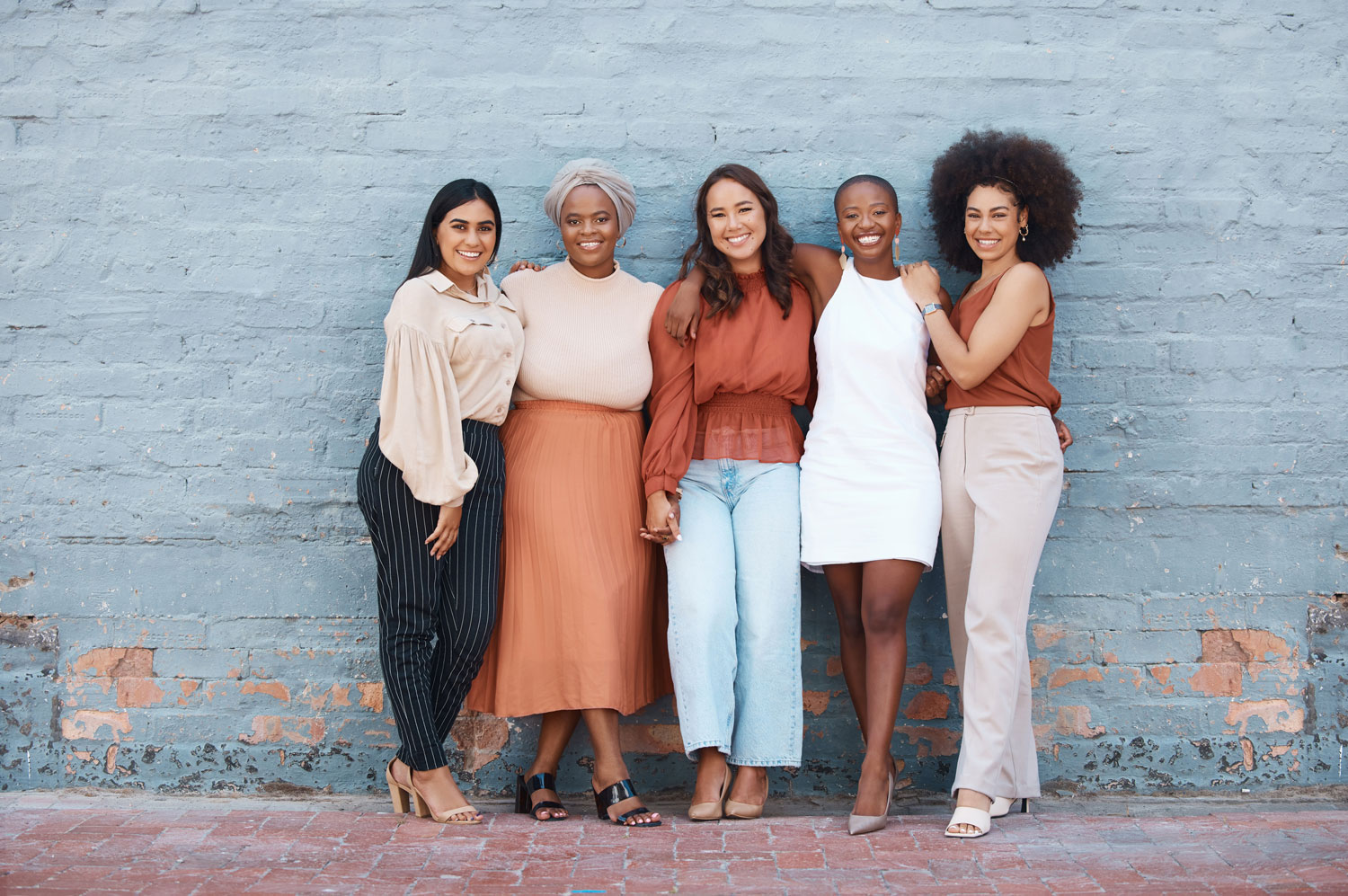
Reflecting on Women’s Month 2023
The pace of Women’s Month 2023 could have been more relaxed, potentially causing a loss of focus and disorientation. Fortunately, I ended the month with clarity and a firm grasp on how to navigate the months ahead.
At the beginning of the month, I reflected on the circumstances of the Women of 1956, on whose shoulders we stand. These women epitomised Maya Angelou’s words in her poem “To Our Grandmothers,” where she says, “You come as one but stand as the 10,000.” They indeed came as 20,000 but stood as the 30.75 million women we are today. We continue to draw from their courage, ingenuity, and determination as we tackle women’s challenges in households, communities, and workplaces.
As the month winds down, my reflections are hopeful, thanks to affirming collaborations with various women. These collaborations gave me incredible opportunities to reflect on my career journey and experiences.
Firstly, Pam Yako invited me to interview for her podcast on “Women as Champions of Environmental Change,” which was yet to air. Before this interview, I reflected on my 25-year career working on environmental issues. It occurred to me that the most fundamental transformations societies are undergoing are triggered by environmental challenges, which UNEP calls the triple crises: biodiversity loss, climate change, and pollution and waste. Unlike the industrial revolutions that led to profound economic transformations, these environmental issues present crises but also opportunities to address social and economic exclusion and inequality. Technology will be crucial, yet it will not be the primary driver of transformation; it will be part of a portfolio of solutions that include changes in our values and an economic paradigm shift.
I am also grateful to Joy Marie Lawrence, who invited me to a panel interview as part of her client’s strategic board session. I reflected on my 15-year career as a Board Director on this occasion. It became clear that, in addition to defining companies’ purpose and strategy, Boards must now explain and respond to factors such as environmental risks and technological changes that affect the long-term success and resilience of the companies they oversee.
Lastly, I thank Dr. Xolelwa Zulu, whom I invited to address WWF SA staff on building organisational innovation cultures. She provided invaluable insights, frameworks, tools, and perspectives that will yield ongoing benefits as we pursue our innovation journey.
A final reflection is that the primary platform for championing the change we seek and achieving an improved quality of life hinges on more women leading and being included in mainstream economic and societal decision-making. In addition to their representation, feminine paradigms should be infused in decision-making, knowledge generation and application, solution design, innovation, technology development, engineering, financing, and investing decisions.