
Sustainable Transportation: BEV Buses Business Case Workshop
When discussing the Just Energy Transition and the decarbonisation of our economy, it can sometimes feel like we’re still at the “should we?” stage. However, increasingly tangible initiatives focus on “how” to collaborate, coordinate, synergise, pilot, and scale projects to transition from carbon-intensive sectors to cleaner and greener alternatives.
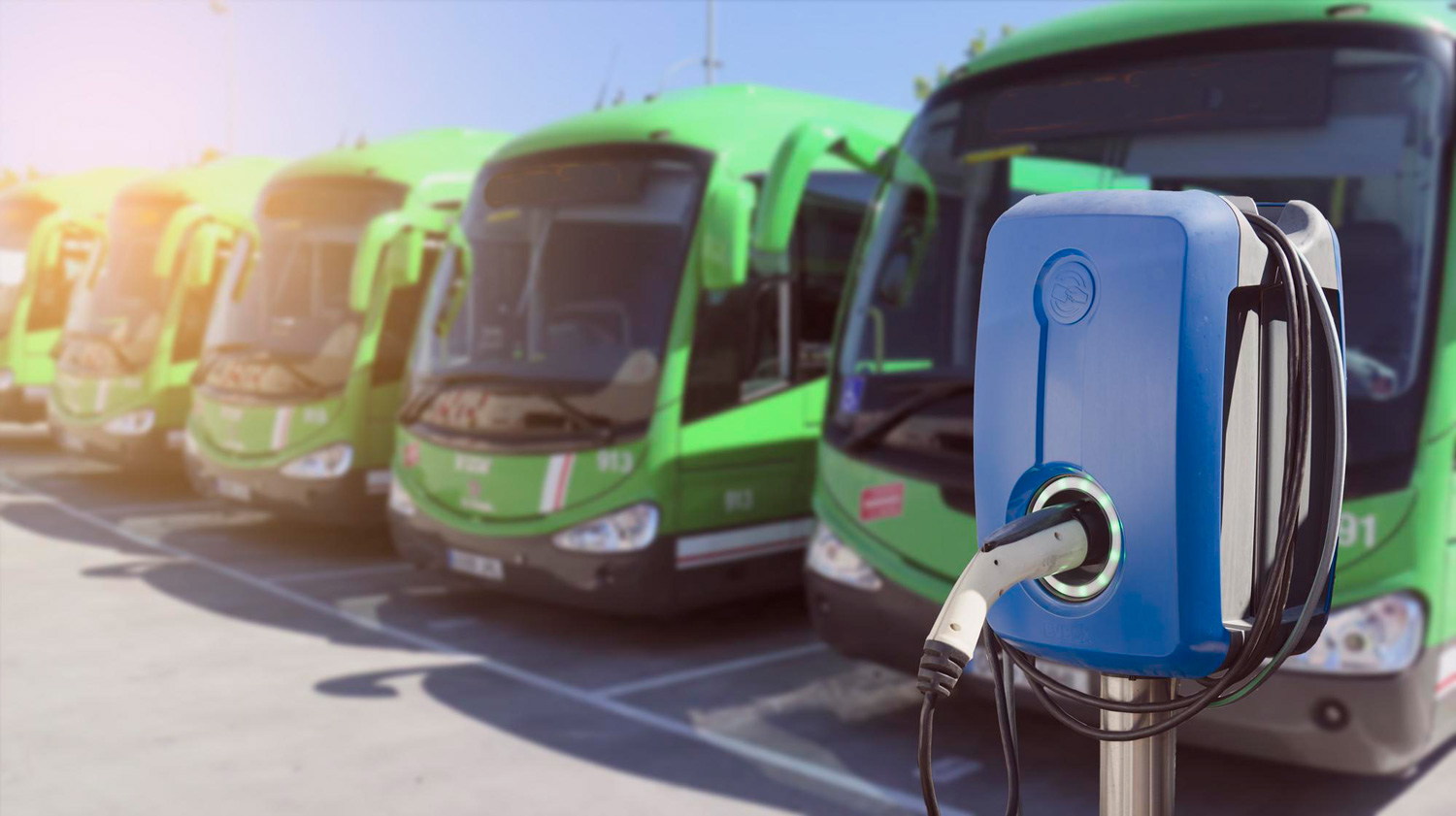
At yesterday’s ACSA workshop on “Battery Electric Vehicles (Buses) and Their Local Manufacture,” I was encouraged and energised by the numerous stakeholders actively driving or planning initiatives to introduce battery-electric passenger buses. Participants included representatives from major South African metros, national government departments, entrepreneurs, development financing institutions, OEMs, and academics.
The news of pilot initiatives with secured financing and implementation partners was particularly heartening. It was gratifying to see partnerships being formed during and on the sidelines of the workshop, and I was proud that WWF SA, the National Business Initiative, and C40, as co-convenors of the ACSA, are effectively connecting stakeholders in the new economy value chains, bridging gaps not yet addressed by current institutional arrangements.
The GEF-funded project, with DBSA as the implementing agency and SANEDI as the executing agency, and participation from two major metros, should significantly shape BEV business models, financing, and operating models relevant to the South African context.
All stakeholders must maintain their commitment to advancing a just transition to sustainable transportation, delivering cost benefits and improved quality of life for workers and low-income earners who currently spend a significant portion of their income commuting. Collaborating with those already involved, leveraging their practical experiences to ensure a smoother transition, is the best way to create an enabling environment to foster economies of scale for ongoing initiatives, coordination, incentivisation, and support of local manufacturing.